The world of fine dining cannot be understood without a complete experience that stimulates all the senses. Often, when we sit at the table, our attention centers almost exclusively on the aromas, textures, and flavors of the dishes set before us. However, there is a fundamental element that acts as the common thread of any great meal and has the power to elevate any creation to its highest expression: the beverage. This is where the question asked by many food enthusiasts comes in: what is pairing?
In its purest and most traditional definition, pairing is the process of harmoniously matching or “marrying” a food item with a beverage (historically wine, though today it extends to champagne, beer, cocktails, sake, and even tea) with the clear intention of enhancing and heightening the pleasure of consuming them together. The term stems from the French word mariage (marriage), referring precisely to that ideal union where neither element should overpower the other; instead, both must complement each other to create a new sensation on the palate that exceeds the sum of its parts.
The Importance of a Good Pairing
The primary objective of a good pairing is not merely to accompany the dish to quench thirst, but to create synergy. When the right wine meets the perfect bite, flavors can transform. A structured red wine can cut through the fat of a cut of meat on the palate, preparing it for the next bite, while the acidity of a young white wine can highlight the freshness and salinity of seafood.
The sommelier, a key figure in any restaurant dining room, is responsible for orchestrating this symphony of flavors. Their job is to understand the ingredients, cooking techniques (grilling, frying, slow-braising), and sauces of each dish, finding the perfect reference in the cellar to make the menu truly shine.
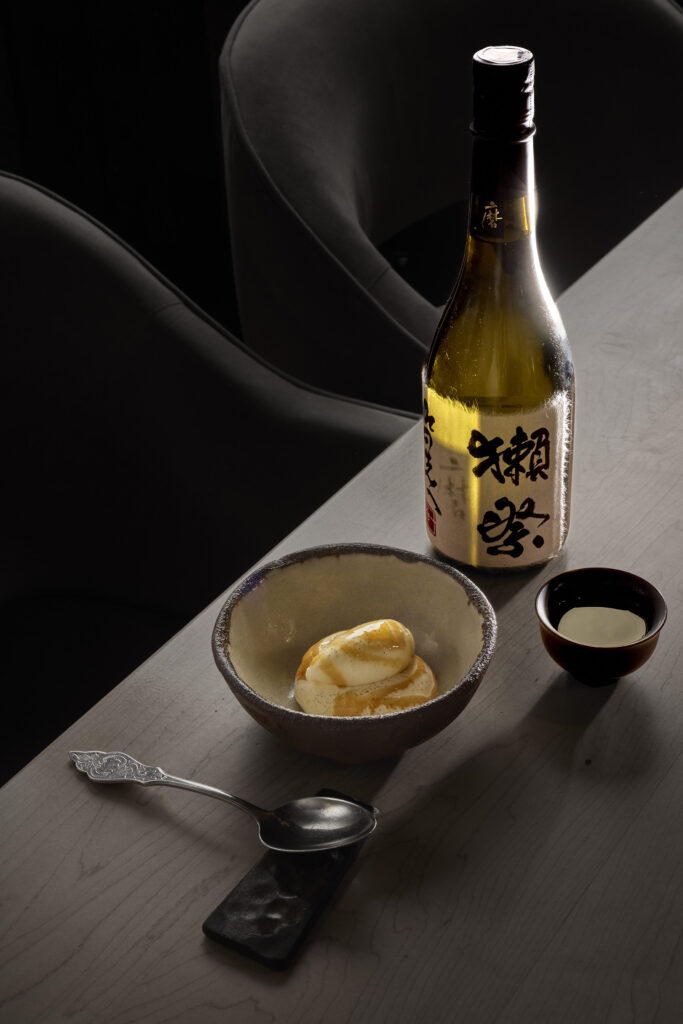
Different Ways to Understand Pairing
There is no single way to pair food and drinks. Over time, sommeliers have established various methodologies to achieve striking results:
- Pairing by Affinity or Complementarity: The most classic method. It consists of combining similar flavors or structures—for instance, a light dish with a light-bodied wine, or a sweet dessert with a noble rot wine.
- Pairing by Contrast: Here, balance is sought through opposing elements that, upon interaction, cleanse the palate and create freshness. A classic example is pairing blue cheeses (very rich and pungent) with sweet wines, or highly spiced dishes with high-acidity, low-alcohol wines.
- Regional Pairing: Based on the premise that “what grows together, goes together.” It involves pairing local cuisine with wines produced in the same geographical area.
Basic Rules and Tips for a Successful Pairing
While rules are made to be broken and experimented with in contemporary gastronomy, several guidelines can help ensure success if you are starting out:
- Weight Always Matters: Light dishes (salads, steamed white fish) require light-bodied wines. Rich, heavy dishes (stews, grilled red meats) demand wines with structure, full body, and pronounced tannins.
- Acidity Needs Acidity: If a dish has an acidic profile (such as a ceviche or a citrus vinaigrette), the wine must also feature high acidity so as not to taste flat or bland.
- Careful with Spice: Spicy foods intensify the perception of alcohol and bitterness in wine. Off-dry, fruity, and aromatic white wines are ideal for spiced dishes.
- The Sauce Is Key: When choosing a wine, you often shouldn’t focus solely on the main ingredient (such as chicken), but rather on the sauce accompanying it. A cream sauce calls for an oaked Chardonnay, whereas a tomato sauce demands a light red.
- Sweetness Requires More Sweetness: When it comes to desserts, the wine should always be equal to or slightly sweeter than the dish; otherwise, the wine will taste bitter and sharp.
Pairing Applied to the Dani García Group Experience
The best way to understand what pairing truly is, is to experience it firsthand across different culinary styles. At Dani García Group, the liquid menu for each concept is meticulously designed to dialogue with its food offerings:
- Ocean Salinity & Affinity: If you are seeking the salinity of the sea, a brilliant affinity pairing is found by combining seafood, espetos (traditional skewers), and Andalusian fried fish with finos, manzanillas, or crisp, mineral-forward white wines. For the ultimate seafood experience, the ideal setting is Lobito de Mar Marbella
- , where ocean produce takes center stage.
- Fire, Smoke & Structure: On the other hand, if you love live-fire cooking and lean toward dry-aged cuts of meat or recipes where fire and smoke are the central pillars, you will need structured, powerful reds. In this case, the cellar at Leña Madrid offers exceptional references, perfect for creating the necessary contrast that cleanses the palate between each rich, savory bite of meat.
- Deep Regional Roots: Finally, if you want to bet on a deeply rooted regional pairing—returning to traditional Andalusian flavors and time-honored stews—the fortified wines of the Sherry region (Marco de Jerez) or the reds from Ronda are the perfect dancing partners. You can experience this fusion of tradition and Andalusian winemaking by taking a seat at Tragabuches Madrid.
Ultimately, understanding what pairing is all about means letting go. Whether through affinity, contrast, or pure experimentation, the ultimate goal remains the same: to enjoy the moment, the dish, and the glass to the absolute fullest.