The current pace of life has completely transformed our habits, routines, and, of course, the way we enjoy gastronomy. Flexible working hours, the rise of remote work, and the constant arrival of international tourists with very diverse schedules have caused the restaurant sector to reinvent itself creatively. It is in this context of profound transformation that a game-changing model triumphs: the non-stop kitchen.
If you have ever tried to have lunch at four in the afternoon or dinner at half past six and found the doors of most restaurants closed, you will perfectly understand the need this trend fulfills. The concept of uninterrupted kitchen service is not just a passing fad, but a strategic, intelligent, and highly adaptive response to new market demands. Culinary offerings must evolve at the pace of society, integrating new concepts and business hours that break with the traditional rigidity that limited our freedom of schedules.
What does the “Non-Stop” kitchen concept consist of?
The term non-stop or uninterrupted kitchen refers to a management and service model in which an establishment keeps its stoves on and its menu available all day long, without taking the traditional break or pause between the midday lunch shift and dinner.
In countries with Mediterranean scheduling customs, restaurants typically open from 1:00 p.m. to 4:00 p.m. and start up again from 8:00 p.m. onwards. During the afternoon, the establishment usually remains closed or, at most, offers a cold beverage service without the option to order prepared dishes from the menu.
However, with the non-stop model, a diner can sit at a table at 5:30 p.m. and order exactly the same main courses, delicious appetizers, or desserts that they could enjoy at one in the afternoon. This demands spectacular and meticulous operational and logistical coordination, as the team must set up rotating shifts to guarantee that the service never drops in quality or speed at any time.
Main benefits of an uninterrupted kitchen
Adopting this continuous system requires a significant investment in staff and resources, but the establishments that decide to take the leap do so attracted by highly competitive benefits:
- Total freedom for the customer: The diner no longer has to look at the clock anxiously for fear that the kitchen will close. Eating late becomes a real pleasure without feeling rushed. We see how major industry leaders are committing to this; for example, when the non-stop kitchen season begins in iconic venues, offering the best gastronomy at any time.
- Direct capture of international tourism: Foreign tourists, coming from Northern Europe or the United States, are used to having lunch and dinner many hours earlier than the Spanish public. Offering an uninterrupted service is the master key to attracting and captivating this segment.
- Maximizing space profitability: A restaurant closed in the afternoon does not generate income, but it does consume monthly fixed costs (rent, energy). By keeping the kitchen open, the profitability per square meter of the establishment is maximized to the fullest.
- Attracting new consumer profiles: It allows capturing professionals with atypical schedules, people who get out of meetings late, or groups of friends who decide to extend their weekend aperitif until it becomes a late lunch.
- Constant flow and reduction of crowds: By expanding the hours of availability, customers tend to distribute themselves organically throughout the day, which helps reduce stressful bottlenecks during peak hours.
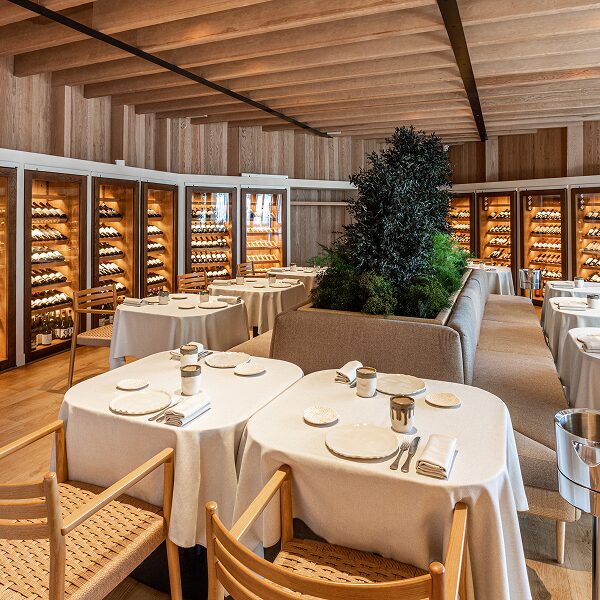
The cultural impact: tardeo and afterwork
Beyond the operational aspects, the non-stop kitchen fosters a much more relaxed and spontaneous leisure culture. Concepts like “tardeo” (afternoon socializing) have positioned themselves as the favorite plans for enjoying the weekend. It is no longer necessary to wait for the night to experience a great atmosphere; the enjoyment starts from midday and naturally blends into the afternoon, without interruptions.
Workdays are also enriched by this format. Leaving the office and being able to go to a good venue where the kitchen is operational allows you to improvise an early dinner or grab a quick bite. If you are looking for inspiration on how to live this urban experience after work, enjoying a good afterwork is the perfect excuse to savor the best of gastronomy without being restricted by the hands of the clock.
Ultimately, the uninterrupted kitchen has ceased to be a rarity, becoming a standard of excellence in cutting-edge hospitality. It is the reflection of a society that demands immediacy, personalization, and, above all, the freedom to enjoy good food.